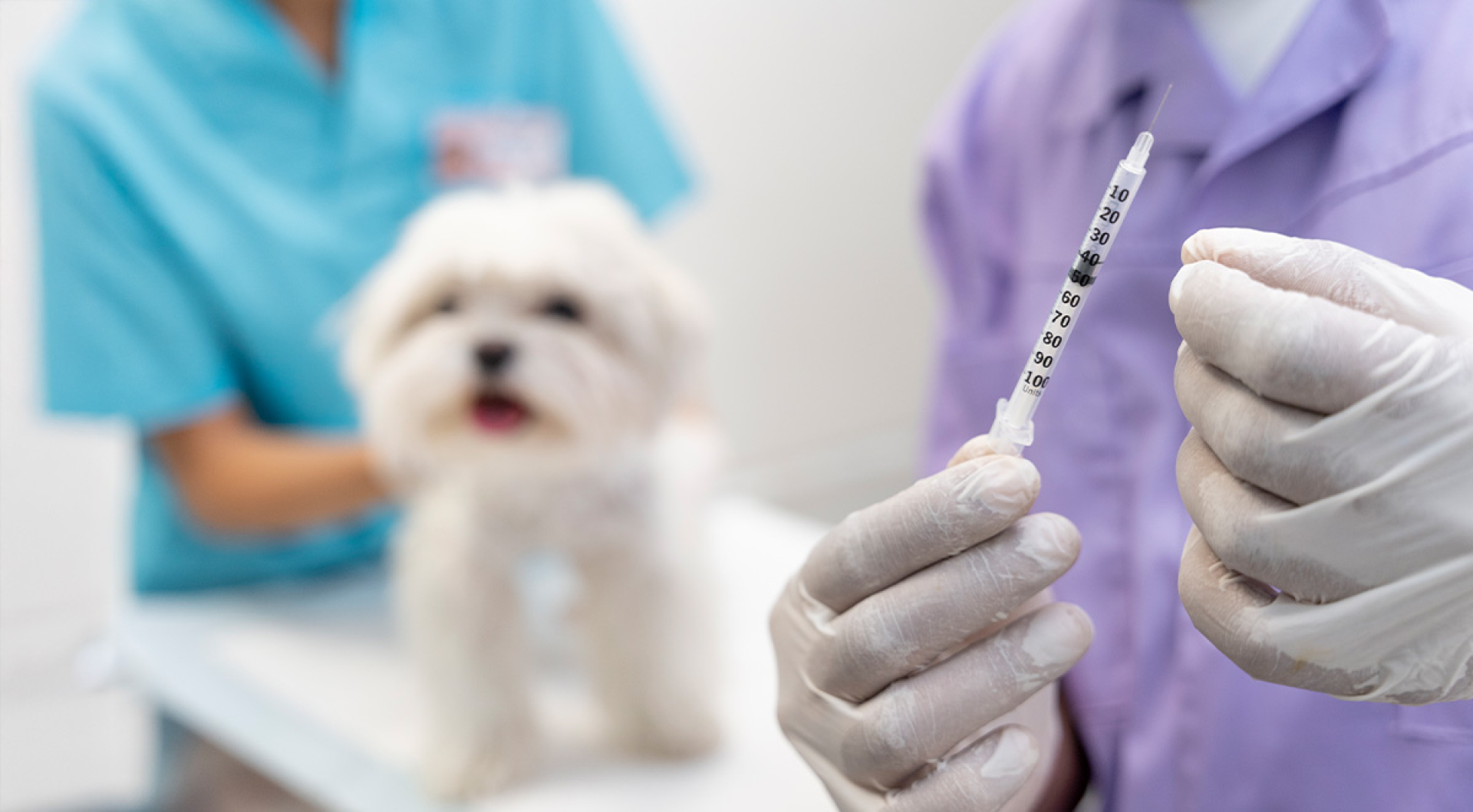
Why Puppy Vaccinations Matter
Puppies are born with some natural immunity against diseases, received through their mother's milk, particularly colostrum (first milk). However, this maternal immunity is temporary and begins to fade between 6-12 weeks of age, leaving puppies vulnerable to serious and potentially fatal diseases.
Vaccinations serve several critical purposes in puppy development:
- Building a strong immune system by safely introducing controlled amounts of disease agents
- Preventing devastating illnesses that can cause lifelong health problems or death
- Protecting the broader canine community through herd immunity
- Ensuring legal compliance with rabies vaccination laws
- Establishing a foundation for lifelong preventative healthcare
As breeders committed to responsible practices, we view proper vaccination not as an option but as a fundamental ethical obligation to every puppy we raise. Choosing a healthy puppy and providing proper care is critical. Read our blog post on this subject for more!
Core vs. Non-Core Vaccinations: What's the Difference?
Not all vaccines are created equal, and understanding the distinction between core and non-core vaccinations helps breeders and puppy owners make informed decisions.
Core Vaccinations
Core vaccinations protect against severe, widespread diseases that pose significant threats to canine health. These are recommended for all puppies regardless of lifestyle or geographic location:
- Distemper: A highly contagious viral disease affecting the respiratory, gastrointestinal, and nervous systems
- Parvovirus: A potentially fatal disease causing severe vomiting, diarrhea, and dehydration
- Adenovirus (Canine Hepatitis): Affects the liver, kidneys, and eyes
- Rabies: A fatal viral disease that can be transmitted to humans and is required by law in most areas
Non-Core Vaccinations
Non-core vaccinations are administered based on a puppy's specific risk factors, including geographic location, lifestyle, and environmental exposure:
- Bordetella (Kennel Cough): Recommended for puppies who will attend training classes, boarding facilities, dog parks, or other social settings
- Leptospirosis: Important for puppies in areas with wildlife exposure or regions with high rainfall and standing water
- Lyme Disease: Crucial in areas with high tick populations and confirmed Lyme disease cases
- Canine Influenza: Recommended in regions with known outbreaks or for dogs that will be in group settings
- Parainfluenza: Often included in combination vaccines to prevent respiratory disease
As breeders, we evaluate each litter's needs and regional risks when determining which non-core vaccines to include in our protocols.
The Standard Puppy Vaccination Timeline
While individual protocols may vary slightly based on breed, size, and specific health considerations, most responsible breeders follow a similar vaccination timeline. Here's a general puppy vaccination schedule that reflects standard breeder health standards:
6-8 Weeks of Age
- First DHPP vaccine (Distemper, Hepatitis, Parainfluenza, Parvovirus)
- Initial deworming treatment
- First veterinary wellness examination
This initial vaccination typically occurs while puppies are still with their breeder, establishing the foundation for parvo prevention and protection against other core diseases.
10-12 Weeks of Age
- Second DHPP vaccine
- Bordetella vaccine (if recommended)
- Leptospirosis vaccine (if recommended based on region/risk)
- Continued parasite prevention
- Comprehensive wellness examination
Many puppies are transitioning to their forever homes during this period, making clear communication between breeders and new owners essential to maintain the vaccination schedule.
14-16 Weeks of Age
- Third DHPP vaccine
- First rabies vaccine (timing may vary based on local regulations)
- Additional non-core vaccines as recommended
- Ongoing parasite prevention
- Growth and development assessment
This stage is critical for establishing long-term immunity, as maternal antibodies have typically fully dissipated by this age.
6 Months
- Final puppy wellness examination
- Additional non-core vaccines if needed
- Discussion about transitioning to adult vaccination schedule
- Spay/neuter considerations (timing varies by breed and size)
1 Year
- Booster DHPP vaccine
- Rabies booster (typically valid for 1-3 years depending on local regulations)
- Review of non-core vaccine needs based on lifestyle
- Establishment of adult vaccination protocol
The Science Behind Puppy Immunity Development
Understanding how puppy immunity works helps explain why vaccinations must follow a specific schedule rather than being administered all at once.
Maternal Antibody Interference
When a puppy nurses, especially in the first 24 hours after birth, they receive antibodies through their mother's colostrum. These maternal antibodies provide passive immunity against diseases the mother has been vaccinated against or exposed to naturally.
However, these same protective antibodies can interfere with vaccines by neutralizing them before they can stimulate the puppy's own immune system. This creates a vulnerable period where:
- Maternal antibodies are decreasing and no longer fully protective
- But enough antibodies remain to potentially neutralize vaccines
- The puppy hasn't yet developed their own immunity
This "immunity gap" is why puppies receive a series of vaccinations rather than just one, and why timing is so crucial in a puppy vaccination schedule.
The Vaccination Series Approach
Multiple vaccinations given at strategic intervals help ensure protection by:
- Providing initial exposure when maternal antibodies begin declining
- Boosting the immune response at critical development stages
- Catching the "window of opportunity" when the puppy's immune system is ready to respond
- Building increasingly stronger immunity with each exposure
- Ensuring protection throughout the vulnerable early months
As breeders, we carefully time these initial vaccinations to maximize protection during this critical developmental period.
Read more about puppy ownership in our blog!
Vaccination Documentation and Communication
Maintaining detailed vaccination records is an essential part of responsible breeding practices. Our standard process includes:
For Each Puppy
- Individual health records documenting exact vaccines administered
- Specific vaccine manufacturer and lot numbers
- Dates and locations of administration
- Veterinarian verification of vaccinations
- Notation of any reactions or concerns
Communication with New Families
When puppies go to their forever homes, we provide:
- Complete vaccination history with dates and specific vaccines given
- Detailed schedule of upcoming needed vaccinations
- Information about vaccine reactions to watch for
- Recommendations for continuing the specific protocol started
- Contact information for questions about the puppy's health history
Common Questions About Puppy Vaccinations
Can I socialize my puppy before vaccinations are complete?
Socialization is critical for puppies, but must be balanced with health protection. We recommend:
- Controlled environments with fully vaccinated, healthy dogs
- Avoiding high-traffic dog areas like parks and pet stores
- Home visits with vaccinated dogs belonging to friends and family
- Puppy kindergarten classes that require proof of initial vaccinations
- Carrying puppies in public areas to limit exposure to ground contaminants
What if my puppy misses a scheduled vaccination?
If a vaccination is missed or delayed:
- Contact your veterinarian immediately
- In most cases, the vaccination series can be continued from where it left off
- For significant delays, your veterinarian might recommend restarting certain vaccines
- Additional precautions may be needed until protection is established
Are there risks associated with puppy vaccinations?
Like any medical intervention, vaccines carry some risk, though serious adverse reactions are rare:
- Mild lethargy or soreness for 24-48 hours is normal
- Some puppies may experience temporary reduced appetite
- Rare but more serious reactions include facial swelling or hives
- Extremely rare reactions include anaphylaxis, which requires immediate veterinary attention
We carefully monitor all puppies after vaccinations and recommend new owners do the same.
Can puppies receive multiple vaccines in one visit?
Yes, it's standard practice to administer multiple vaccines during a single veterinary visit. However:
- Your veterinarian may separate certain vaccines based on your puppy's size or health
- Vaccines are typically administered in different locations on the body
- Combination vaccines (like DHPP) reduce the number of injections needed
What about titers instead of vaccinations?
Antibody titer testing measures a dog's immunity level to specific diseases:
- For adult dogs, titers may be used to determine if boosters are needed
- For puppies, the vaccination series is still recommended regardless of titer results
- Some regions do not accept titers as alternatives to rabies vaccination for legal requirements
- Titer testing can be valuable for dogs with histories of vaccine reactions
Beyond Vaccinations: A Holistic Approach to Puppy Health
While vaccinations form the cornerstone of early puppy healthcare, responsible breeders take a comprehensive approach that includes:
Parasite Prevention
- Strategic deworming protocols beginning at 2 weeks of age
- Regular fecal testing to identify parasites
- Preventative treatments for external parasites like fleas and ticks
- Education for new owners about continuing parasite prevention
Nutrition Support
- High-quality nutrition for nursing mothers to support antibody production
- Carefully selected puppy formulas to support immune system development
- Appropriate weaning practices that maintain nutritional support
- Guidance for new owners on continuing optimal nutrition
Early Veterinary Care
- Regular wellness examinations beyond vaccination visits
- Baseline health screening appropriate for the breed
- Early identification of any congenital concerns
- Establishment of a relationship with veterinary care
Conclusion: The Breeder's Responsibility in Vaccination Protocols
As dedicated breeders, we view proper vaccination protocols as one of our most important responsibilities. The decisions made in the first weeks of a puppy's life establish the foundation for their lifelong health and protection against preventable diseases.
The carefully structured puppy vaccination schedule we follow reflects our commitment to:
- Starting each puppy's life with the strongest possible protection
- Following evidence-based protocols developed with veterinary guidance
- Adapting to emerging research and evolving best practices
- Providing new puppy owners with the information they need to continue appropriate care
By sharing this perspective on vaccinations, we hope to emphasize the critical importance of these early healthcare decisions and the role they play in raising healthy, thriving puppies who will become beloved family members for years to come.
Contact us today if we can help you connect with a new puppy!